Showing posts with label World Ingredients. Show all posts

7/16/2012

Beans and Bean Products Chinese Ingredients

No comments:
Beans and bean products play a prominent role in Chinese cooking, where they are used in much the same way as dairy products are in the West. The soybean, one of the most ancient staples grown in China, is richer in protein than an equivalent weight of any other food. However, because soybeans are hard to digest as beans, they are usually processed into sauces or, more important, into bean curd. Many imitation meat dishes, the backbone of Buddhist vegetarian food, are based on the numerous forms of bean curd. Fermented bean products are very important seasonings in savory cooking, while the red azuki bean, whole or in paste form, is used in many sweet dishes.

Bean Curd, Fresh

Bean curd, fresh Made from a mixture of finely ground soybeans and water, bean curd is used extensively in Chinese cookery.

Bean curd, puffed

Deep-fried pieces of fresh bean curd, used to absorb tastes and juices.

Bean curd sheet

Bean curd sheet Thin, dried sheet of bean curd; has to be moistened before use.

Black beans, fermented

Black beans, fermented Whole soybeans preserved in salt and ginger.

Red beans

Red beans Highly proteinaceous azuki beans, most commonly used for puddings in Chinese cookery.

Red bean paste

Red bean paste Thick paste made from puréed, sweetened red beans, frequently used as a sweet filling.

Bean curd “cheese,” red fermented

Bean curd “cheese,” red fermented Fresh bean curd, fermented with salt, and rice wine.

Bean curd “cheese,” white fermented

Bean curd “cheese,” white fermented Fresh bean curd, fermented with or without chili.

Crushed yellow bean sauce

Crushed yellow bean sauce Purée of fermented yellow soybeans, wheat flour, salt and water.

Szechwan chili paste

Szechwan chili paste Spicy hot paste of dried chili and crushed yellow bean sauce.

Soybean paste

Soybean paste Paste of crushed soybeans combined with chili, sugar and salt.

Yellow beans in salted sauce

Yellow beans in salted sauce Whole yellow soy beans fermented with salt, wheat flour and sugar.


This Ingredient Information was published in 'Yan-kit’s Chinese Cookbook by "Yan-Kit So (Foreword by Claudia Roden)" - p24 to p25'

7/07/2012

Part 2 Dried Products Chinese Ingredients

No comments:
Chinese dried products, used as either the main ingredient or as a seasoning for more bland ingredients, are regarded as second to none. Abalone, scallops, oysters and shrimp, although delicious fresh, are much richer in taste and more interesting in texture when dried. Bird’s nest, shark’s fin and edible jellyfish actually have no fresh counterpart in Chinese cooking and always have to be reconstituted before cooking.


Bird’s nest

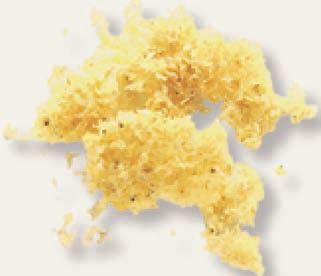
Nests of the swallows of the genus Collocalia, who line their nests with a thick mixture of predigested seaweed, which then dries to a hard, transparent layer.

Pork liver


Duck Liver

Chinese sausages Wind-dried sausages made of pork or pork and duck liver. Both should be cooked before use.

Edible Jellyfish


Edible jellyfish Preserved and dried in salt, the layers must be soaked in frequent changes of water before use.


Shark’s fin

Shark’s fin The cured fin of one of several species of shark. Processed fins (right) are more economical to use.

Abalone

Abalone Firm-fleshed mollusk that is often only available canned. The juice is useful for soups and sauces.

Dried scallops

Dried scallops Deriving their name from the shell’s shape, these mollusks have a deliciously sweet taste.

Dried oyster

Dried oyster Dried and salted, these mollusks add a “smoky” taste to other ingredients.

Dried shrimp

Dried shrimp Dried shelled shrimp of various sizes, frequently used as a seasoning and in stuffing.


This Ingredient Information was published in 'Yan-kit’s Chinese Cookbook by "Yan-Kit So (Foreword by Claudia Roden)" - p22'

7/02/2012

Dried Products Chinese Ingredients

No comments:
One cannot get very far with Chinese cooking without dried fungi. They are used, according to variety, to provide texture or taste, and very often make a simple dish outstanding. Black mushrooms, used whole or sliced into small pieces, provide their own taste but also absorb that of others. Both cloud ears and golden needles absorb tastes and are often used to give texture to stir-fried pork or beef dishes; wood ears, which need to be cooked longer, are best in soups.

Wood ears

Large, edible mushrooms cultivated in large quantities in Western China.

Chinese mushrooms, dried and reconstituted

These edible tree fungi vary in both quality and price, the most expensive being the floral mushroom. Medium-sized mushrooms are most frequently used in this book.

Floral mushrooms


Straw mushrooms, canned

Straw mushrooms, dried
Cultivated on rice straw in paddy fields, they are used more for their texture than their taste.

Straw mushrooms, dried


Cloud ears

Like wood ears, these mushrooms are grown in Western China, but they are more delicate in taste.

Golden needles

Golden needles The dried buds of the tigerlily flower, generally used for their texture.

Tangerine peel

Dried peel, often used with star anise and Szechwan peppercorns.

Dried red dates

Sweet, prunelike fruit of the jujube tree.

Creamed coconut

Concentrated coconut milk in solid form.

Cornstarch, Potato flour, Water chestnut flour and Rock sugar

1. Cornstarch Fine, white starch extracted from corn, used as a thickener.
2. Potato flour Made from cooked potatoes, this flour produces a more gelatinous sauce than cornstarch.
3. Water chestnut flour Made from ground water chestnuts, and used when a lighter sauce is required.
4. Rock sugar Crystallized cane sugar.

Agar

Agar Gelatinous thickener derived from seaweed.


This Ingredient Information was published in 'Yan-kit’s Chinese Cookbook by "Yan-Kit So (Foreword by Claudia Roden)" - p20 and p21'

5/17/2012

Summer squash (zucchini, lita, pattypan squash, crookneck squash)

1 comment:
➤ When: Summer squash is well named because it peaks in the summer. These beautiful, easy-to-grow vegetables come in a variety of colors and shapes.

➤ What to Look For: The skin should be smooth, with few marks, and tender enough to be pierced easily by a fingernail. (Don’t do this in the market; just squeeze gently.) Squash should have a bright color and feel relatively heavy for its size. A bit of juice coming out of the stem means it’s fresh; in fact, it was probably picked that morning. Avoid squash that bend easily or have a wrinkled skin: They’re old or drying out.

➤ Why: Squash are rich in potassium and fiber, both of which provide a RealAge benefit.

➤ How to Use: Summer squash can be grilled, sautéed, used in soups and stews, or mixed with whole grains and vegetables. Combine diced zucchini with fresh corn and red chile pepper, or stew a tomato, garlic, and onion ragout. Large zucchini (over 10 inches) are best for breads, muffins, and pancakes. Also, squash blossoms can be eaten. They’re usually stuffed and baked or fried but can also garnish a soup or be shredded and mixed into a salad.

This ingredient information was published in 'Cooking The RealAge Way, Turn Back Your Biological Clock with More Than 80 Delicious and Easy Recipes (MICHAEL F. ROIZEN, M.D. and JOHN LA PUMA, M.D.) - p189'

Potatoes, new - Vegetable/Fruit Summer Produce

No comments:
➤ When: New potatoes are baby potatoes that have been harvested young in their life. They’re best in early summer, all the way till August. New potatoes have a thin skin and are great with little preparation. They may be pink, brown, yellow, red, or white; all are beautiful and delicious.

➤ What to Look For: Small new potatoes tend to have better flavor and softer texture than larger ones. Avoid those with sprouts, a green tint, or dry, chapped skin. The green tint on potatoes contains a substance—solanine—that can be poisonous, and that can be very aging. (So don’t eat potatoes that have started to sprout or have green skin!)

➤ Why: The major age-reducing benefits of potatoes come from the potassium and fiber in the skin. Because potatoes have a lot of simple carbohydrates, eat a little healthy fat first to gain the most RealAge benefit.

➤ How to Use: New potatoes are wonderful in salads because they hold their shape well, and because their flavor combines with other ingredients so well. Steaming and roasting work best for new potatoes, although pan-frying, and grilling work as well. For hash browns, try shredded new potatoes tossed with garlic and thyme, or grated with onion and then tossed in a skillet with dried leaf oregano.

This ingredient information was published in 'Cooking The RealAge Way, Turn Back Your Biological Clock with More Than 80 Delicious and Easy Recipes (MICHAEL F. ROIZEN, M.D. and JOHN LA PUMA, M.D.) - p188'

Plums - Vegetable/Fruit Summer Produce

No comments:
➤ When: Fresh plums are at their peak ripeness in August and September. There are dozens of varieties; some have yellow flesh, some purple, and some green. Italian plums tend to be smaller and have green flesh, and make wonderful jams. Try as many varieties as you can find; you’ll be rewarded with great color and flavor.

➤ What to Look For: Plums that are perfect have a uniform color and sweet scent and yield to gentle pressure with a taut skin. Avoid very firm or hard plums, because they’ve been picked too soon and won’t ripen properly. Ask for a sample.

➤ Why: Because potassium and fiber are found in plums in abundance, eating this fruit is an age-reducing benefit.

➤ How to Use: Eat ripe plums plain or save them for sweet dishes such as jams, desserts, and sweet sauces. They can also be chopped to make a stuffing, diced to make a salsa, and grilled to make an accompaniment for chicken or fish. Plums are good poached in wine with peaches, or stewed with lemon and cinnamon. In addition, plums can be dried to make prunes. Puréed prunes make a good replacement for solid, aging fat in quick-breads.

This Ingredient information was published in 'Cooking The RealAge Way, Turn Back Your Biological Clock with More Than 80 Delicious and Easy Recipes (MICHAEL F. ROIZEN, M.D. and JOHN LA PUMA, M.D.) - p187'

Peppers (green) - Vegetable/Fruit Summer Produce

No comments:
➤ When: Peppers are good to eat July through late summer.

➤ What to Look For: Green peppers are sweet peppers that are not ripe. They may be slightly bitter because their full flavor has not yet developed. The skin should be smooth and not shriveled. Avoid peppers with soft spots or cracks, or with tops that are moldy or turning colors.

➤ Why: Peppers are loaded with vitamin C, flavonoids, and fiber, giving them an age-reducing benefit.

➤ How to Use: Green peppers have a bright, fresh, slightly grassy flavor that many people love. They’re not sweet like their more mature red and yellow counterparts, and they mix well with most summer vegetables and herbs. Green peppers can be grilled, roasted, sautéed, used in sandwiches, and diced to top salads, soups, stews, chili, and sauces. Also see CHILES.

This ingredient information was published in 'Cooking The RealAge Way, Turn Back Your Biological Clock with More Than 80 Delicious and Easy Recipes (MICHAEL F. ROIZEN, M.D. and JOHN LA PUMA, M.D.) - p187'

Peaches - Vegetable/Fruit Summer Produce

No comments:
➤ When: Although peaches are available from May to October in most regions of the United States, they’re sweetest in the summer.

➤ What to Look For: Look for white-flesh peaches: They’re usually even sweeter and more honeyed than the yellow-flesh ones. Peaches should have a sweet scent and yield to gentle pressure. Avoid peaches with bruised, shriveled, or dented skin.

➤ Why: Because peaches are rich in potassium and flavonoids, they are a delicious way to stay healthy.

➤ How to Use: A ripe summer peach is so sweet and juicy it can be a dessert all by itself. However, peaches are commonly used in pies, nectars, cobblers, cakes, and soufflés. They also make great salsas, can be grilled with other fruits, and blend happily into drinks. Try a Bellini—fresh peach juice and champagne.

This ingredient information was published in 'Cooking The RealAge Way, Turn Back Your Biological Clock with More Than 80 Delicious and Easy Recipes (MICHAEL F. ROIZEN, M.D. and JOHN LA PUMA, M.D.) - p186'

5/13/2012

Chinese Ingredients Cereals, Grains and Noodles

No comments:
The most important staple for the Chinese, long-grain white rice, is usually eaten with every meal. Noodles are generally of secondary importance, except in the North, where wheat is the main crop and they are eaten just as much as rice. Symbolically rice is blessing in life and noodles are longevity. Not surprisingly, therefore, noodles are always served for a birthday celebration.

Photography Copyright © Dorling Kindersley Limited, London


White glutinous rice

White glutinous rice Sticky when cooked, this rice is used for both savory and sweet dishes.


Long-grain rice

Long-grain rice The hulled, polished grains of this variety remain the ideal staple for the Chinese.


Spring roll wrapper

Spring roll wrapper Paper-thin wrapper made from wheat flour and water.


Wonton wrappers

Wonton wrappers Made from wheat flour, egg and water and used specifically for wontons.


River rice noodles

River rice noodles Made from rice ground with water, which is then steamed into thin sheets before being cut.


Dried rice noodles

Dried rice noodles White, wiry noodles made from rice flour.


Yi noodles


Dried egg noodles, flat


Fresh egg noodles, flat


Dried shrimp noodles


Fresh egg noodles, round


Dried egg noodles, round


Egg noodles
Made from wheat flour, egg and water, these are the most commonly used and versatile of Chinese noodles, whether used in their fresh or dried form.

Tientsin fen pi

Tientsin fen pi Made from mung beans, these are eaten as an alternative between rice noodles and cellophane noodles.

Buckwheat noodles

Buckwheat noodles Thin noodles made from buckwheat flour mixed with water.

U-dong noodles

U-dong noodles Common to Japan and Korea, these noodles are made from wheat flour and water.

Cellophane noodles

Cellophane noodles Eaten more as a vegetable than a pasta, these noodles are made from ground mung beans.


This information was published in 'Yan-kit’s Chinese Cookbook by "Yan-Kit So (Foreword by Claudia Roden)" - p18 and p19'

Popular Recipes